流星蝴蝶剑
1,500-year-old glazed pottery reveals Eurasian cultural exchanges in ancient northern China_我的网站

A | 开车的蚁粉,是不是发现到新加坡的油站售卖的食物越来越多样化?除了职总平价超市便利店所售卖的一系列产品,现在能在油站买到的食物包括泡泡茶、快餐、寿司、还有亚坤的咖椰土司、老曾记小吃,有些甚至成了取快递的站点,似乎已经跟邻国马来西亚多种多样的油站不遑多让。事实上,两国的国情大不相同,像马来西亚这样国土广阔的国家,油站也充当长途驾驶的休息站,除了添油,也能让司机乘客吃点东西“充电”。

B |
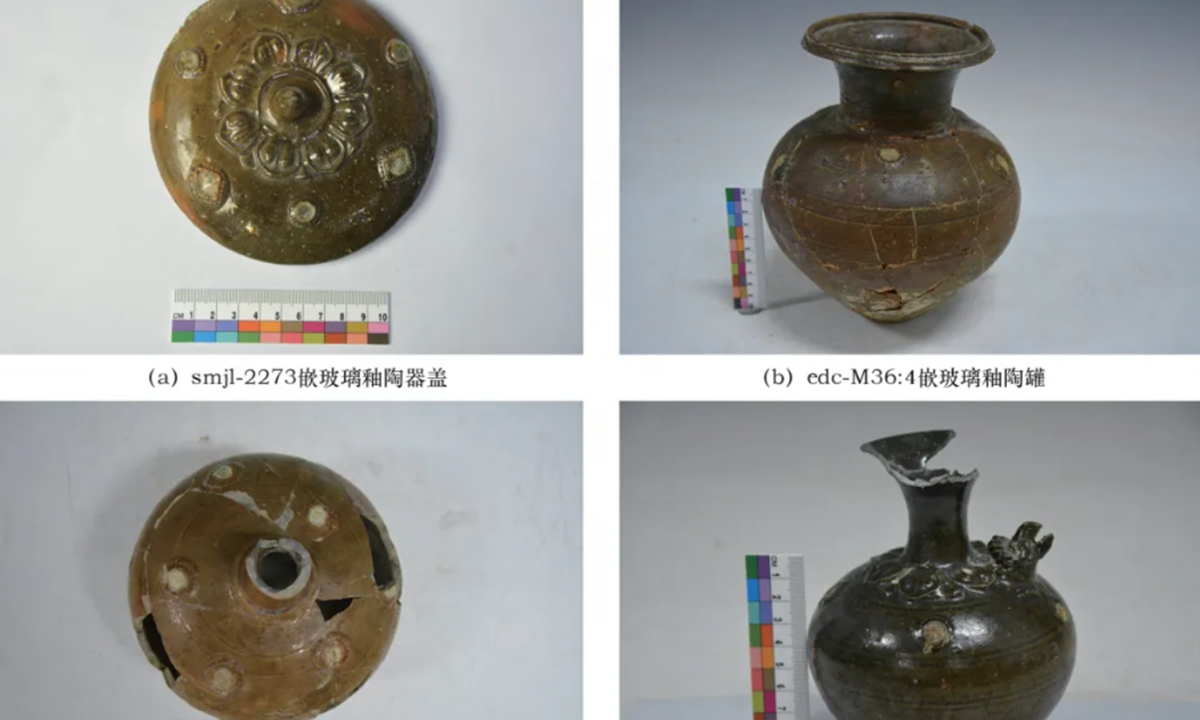
Samples of glazed pottery embedded with glass excavated from Northern Wei tombs in Pingcheng Photo: Courtesy of Shanxi Provincial Institute of ArchaeologyRare glass-inlaid glazed pottery artifacts unearthed from ancient tombs in Northwest China's Shanxi Province have provided new evidence of extensive cultural and trade exchanges between ancient China and other regions more than 1,500 years ago, according to a press release that the Shanxi Provincial Institute of Archaeology sent to the Global Times on Tuesday.
Systematic analysis conducted by the institute of pottery wares dating back to the Pingcheng period of the Northern Wei Dynasty (386-534) has identified distinct foreign cultural and technological elements embedded in the craftsmanship and material composition of the unique artifacts, shedding fresh light on ancient Eurasian cultural integration.
Established by the Tuoba Xianbei ethnic group, the Northern Wei Dynasty designated Pingcheng, present-day Datong city in Shanxi Province, as its capital from 398 to 494. For nearly a century, the city served as a pivotal multicultural hub where Xianbei nomadic culture, Central Plains Han culture and diverse Western Regions civilizations converged and interacted, according to a report on Chinanews.com.cn.
Archaeological excavations at multiple tomb clusters in Pingcheng, including the Dongxin Northern Wei cemetery and the Qilicun cemetery, have yielded a total of eight pieces of glass-inlaid glazed pottery. Though far fewer in number compared with common glazed pottery figurines and painted glazed wares, these artifacts feature an extremely rare inlay technique unseen elsewhere in the developmental history of Chinese ceramics, according to the press release.
Given the exceptional rarity and good preservation of the relics, researchers selected four representative pieces for comprehensive laboratory testing and material analysis. The results show that the glass inlays are primarily soda-alumina glass, most likely produced by remelting trade beads from the Indian Ocean and Pacific regions, a key commodity in ancient maritime and overland trade networks.
The findings confirm that Pingcheng maintained frequent cross-border trade and cultural communication during the Northern Wei era, with access to glass raw materials sourced from diverse overseas regions. The varied compositional characteristics of the inlaid glass provide crucial clues for studying ancient glass-making technologies, raw material circulation and long-distance trade routes in ancient East Asia, the press release noted.
Beyond material composition, the artifacts also embody prominent cross-cultural innovation in design. Their decorative motifs draw heavily on gem-encrusted gold and silver wares of the Sasanian Persian Empire, while integrating artistic elements from other Eurasian regions. The blended design styles reflect the era's prevailing trend of multicultural fusion and creative assimilation of foreign civilizations.
Archaeologists noted that the glass-inlaid glazed pottery represents an innovative technological achievement crafted by Northern Wei artisans who absorbed and refined foreign techniques and aesthetics. The distinctive craftsmanship and stylistic features of these wares exerted a far-reaching influence on ceramic production in surrounding regions and subsequent dynasties, marking a vital chapter in the evolution of ancient Chinese ceramic art.
The research underscores that ancient China's northern borderland was not an isolated cultural enclave, but an active node in Eurasian cultural and trade exchanges, where foreign elements were localized and innovated to form unique regional civilizational achievements, archaeologists from the Shanxi Provincial Institute of Archaeology said.
。新加坡油站之所以提供更多样化的零售选择,则更像是大势所趋。油站数量随燃油需求下降而减少在过去的二十年里,新加坡的油站数量一直呈下降趋势,主要原因是全球汽油需求减弱和电动车(EV)普及。根据油站业者的资料,新加坡目前有184个油站,这比2003年222家油站的最高峰下降了17.1%。具有近30年历史的淡滨尼9道埃索油站在2023年9月关闭。(取自埃索脸书)与此同时,也有迹象显示汽油的需求下降。陆路交通管理局数据显示,一辆汽车在2023年的年均里程为1万6300公里,比2003年的2万零200公里少了19.3%。车程越短,所需的燃油自然就越少。此外,更节能的油电混动车和电动车日益受欢迎也是另一原因。

C | 截至2023年底,本地共有7万9256辆油电混动车和1万1941辆电动车,占2023年汽车总数的14%。2013年,这一比例仅为汽车总数的0.8%。电动车的数量也在迅速增长。单在今年前7个月,电动车的数量激增60%,达到1万9098辆。在这期间,电动车占新车注册量的32.1%。

D | 汽车行业顾问史贵能(音译)预计,随着充电时间缩短和电动汽车续航里程提高,电动汽车的采用率将会增加。“汽油的需求无疑会下降,具体程度将取决于电动汽车的采用率。那我们日后还需要同样的加油站网络吗?所有迹象都表明,未来汽油公司的零售足迹将缩小。”让油站雪上加霜的是,新加坡目前虽然有大约1万3800个充电桩,它们大多数却都不是设在油站。本地油站如何顺应局势?油站减少的现象并非新加坡独有,管理咨询公司Sia Partners在2021年的一份报告中预测,到2050年,欧洲的加油站数量将减少43%。其中原因同样是车辆平均燃料消耗量将减少,燃油车比例下降,以及汽车行驶距离的持续减少。另一项发表于2019年的报告指出,倘若经商模式维持不变,全球至少四分之一的加油站将面临停业的风险,在最糟的情况下,多达八成的加油站可能会关闭。本地油站大多通过“开源”因应变局。壳牌在2017年结束了与连锁便利店7-11长达11年的合作关系后,将一系列食品和饮料连锁店引入旗下的加油站,包括亚坤、老曾记、一芳台湾水果茶、泡泡茶No.17 Tea、椰子冰沙CocoCane、Boost果汁、麦当劳、Sarpino比萨、亚洲甜点Markozar等等。壳牌位于兀兰的油站设有老曾记小吃店。(老曾记脸书)壳牌发言人告诉《海峡时报》,该公司将会在其加油站推出自己的壳牌咖啡馆,提供咖啡师风格的精心制作的咖啡和食物。埃索(Esso)加油站的便利店则由平价(FairPrice)集团经营。该集团发言人告诉《海峡时报》,十分之三的顾客光顾超市是为了购买必需品,不是为汽车添油。今年3月,位于大巴窑2巷的埃索油站还在其FairPrice Express便利店开设了第一个Maki-San外卖寿司柜台。位于埃索油站的Maki-San寿司柜台。(谷歌地图)Maki-San的负责人Cydric Chung受访时说,除了司机之外,住在附近的居民也会光顾。房地产咨询公司Cistri副总监Edwin Loo也指出,加油站的零售服务在有地住宅区会显得更加重要。对驾驶者来说,油站售卖老曾记、泡泡茶这些小吃和饮料,让他们不必支付商场的停车费,就可以满足食欲,是多么快乐的一件事。红蚂蚁的先生网购时,不是选择最靠近的油站自取快递,而是会选择有麦当劳的油站,添油和取快递之余,又可以买东西吃,可说“一石三鸟”。新加坡油站今后将何去何从?新跃社科大学商学院副教授黎华德认为:市场力量最终将决定新加坡加油站的发展方向。如果市场产能过剩,业者承租地段经营加油站的意愿就会减弱。至于这个现象是否也预示电动车时代的来临,综合网民和部分驾车人士的看法,目前把汽车换成电动车的推动力还不够,因为电动车价格还是太高,即使将可能省下的添油费计算在内,购买燃油汽车还是比较便宜。

E | 油站虽然已经必须为了生存而转型,但现阶段谈新加坡正走入电动车时代可能还为时尚早。

F |
Current article:http://71mnmr.zeitujiangshaopen.pics/list_7fr/un6jtkk.html
Published on:03:34:48